
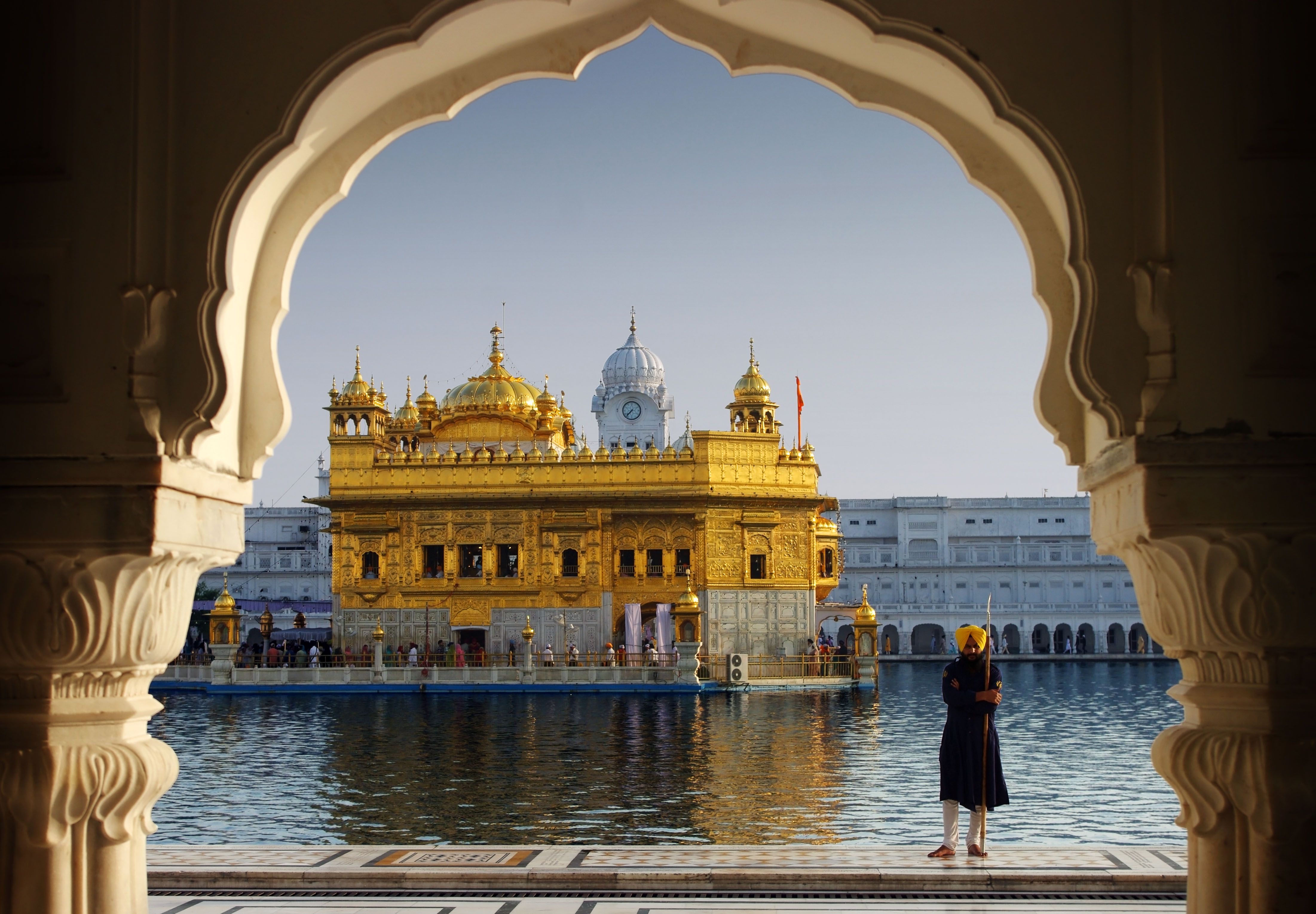
The Golden Temple, officially known as Sri Harmandir Sahib, is the holiest shrine of Sikhism and one of the most visited religious sites in the world. Located in Amritsar, the temple is renowned for its stunning golden architecture, spiritual atmosphere, and the principle of equality that welcomes people of all faiths.
History
The foundation stone of the temple was laid in 1588 by Guru Arjan Dev, who later completed the shrine.
The temple was embellished with gold during the reign of Maharaja Ranjit Singh in the early 19th century, earning it the name "Golden Temple."
The sacred Sikh scripture, Guru Granth Sahib, is housed within the temple.
Architectural Highlights
The temple is built in the middle of the sacred Amrit Sarovar (Pool of Nectar).
A marble causeway connects the temple to the surrounding complex.
The upper floors are covered with gold-plated panels and intricate artwork.
The shrine beautifully combines Hindu and Islamic architectural influences.
Major Attractions
Golden Temple – The spiritual heart of Sikhism.
Akal Takht – The highest temporal seat of Sikh authority.
Jallianwala Bagh – Historic memorial of the 1919 massacre.
Partition Museum – Chronicles the story of India's Partition.
Wagah Border – Famous for the daily Beating Retreat ceremony.
Langar – The World's Largest Community Kitchen
One of the most remarkable features of the Golden Temple is its Langar, a free community meal served to tens of thousands of visitors every day, regardless of religion, caste, or nationality. Volunteers from around the world participate in preparing and serving the meals.
Best Time to Visit
October to March: Pleasant weather for sightseeing.
Guru Nanak Jayanti and Baisakhi are especially vibrant times to visit.
The temple is particularly mesmerizing when illuminated at night.
Visitor Guidelines
Cover your head before entering.
Remove shoes and wash your feet at the entrance.
Dress modestly and maintain silence and respect within the complex.
Photography is allowed in many outdoor areas but should be done respectfully.
SEO-Friendly Description
Golden Temple, Amritsar is the spiritual and cultural heart of Sikhism, attracting millions of pilgrims and travelers each year with its golden splendor, sacred sarovar, world-famous langar, and message of universal brotherhood.
History
The foundation stone of the temple was laid in 1588 by Guru Arjan Dev, who later completed the shrine.
The temple was embellished with gold during the reign of Maharaja Ranjit Singh in the early 19th century, earning it the name "Golden Temple."
The sacred Sikh scripture, Guru Granth Sahib, is housed within the temple.
Architectural Highlights
The temple is built in the middle of the sacred Amrit Sarovar (Pool of Nectar).
A marble causeway connects the temple to the surrounding complex.
The upper floors are covered with gold-plated panels and intricate artwork.
The shrine beautifully combines Hindu and Islamic architectural influences.
Major Attractions
Golden Temple – The spiritual heart of Sikhism.
Akal Takht – The highest temporal seat of Sikh authority.
Jallianwala Bagh – Historic memorial of the 1919 massacre.
Partition Museum – Chronicles the story of India's Partition.
Wagah Border – Famous for the daily Beating Retreat ceremony.
Langar – The World's Largest Community Kitchen
One of the most remarkable features of the Golden Temple is its Langar, a free community meal served to tens of thousands of visitors every day, regardless of religion, caste, or nationality. Volunteers from around the world participate in preparing and serving the meals.
Best Time to Visit
October to March: Pleasant weather for sightseeing.
Guru Nanak Jayanti and Baisakhi are especially vibrant times to visit.
The temple is particularly mesmerizing when illuminated at night.
Visitor Guidelines
Cover your head before entering.
Remove shoes and wash your feet at the entrance.
Dress modestly and maintain silence and respect within the complex.
Photography is allowed in many outdoor areas but should be done respectfully.
SEO-Friendly Description
Golden Temple, Amritsar is the spiritual and cultural heart of Sikhism, attracting millions of pilgrims and travelers each year with its golden splendor, sacred sarovar, world-famous langar, and message of universal brotherhood.